
Transform Your Sleep Through Nutrition
Discover how the right foods and eating patterns can dramatically improve your sleep quality. Our editorial experts explore the science of nutrition and rest, revealing the connection between what you eat and how well you sleep.
The information on this site is for educational purposes only and does not constitute medical advice. Always consult a qualified healthcare professional before making health decisions.
Sleep Quality Impact Numbers
7-9 Hours
Recommended nightly sleep for adults
30 Minutes
Time it takes to feel hunger satiety
2-3 Hours
Before sleep to finish eating
60+ Types
Of sleep-supporting nutrients

Why Diet Affects Your Sleep
Your diet directly influences your body's ability to produce sleep-regulating hormones like melatonin and serotonin. Certain nutrients support the neurotransmitters responsible for restful sleep, while others can interfere with your rest cycle.
Timing matters as much as content. Eating large meals too close to bedtime can cause discomfort and disrupt your natural sleep rhythm. Meanwhile, nutrient-rich foods consumed at the right time can promote deeper, more restorative sleep.
Understanding the relationship between nutrition and sleep quality empowers you to make informed eating choices that support your body's natural rest cycle and overall vitality.
Essential Foods for Better Rest
Magnesium-Rich Foods
Leafy greens, almonds, pumpkin seeds, and dark chocolate contain magnesium, which relaxes muscles and calms the nervous system, promoting deeper sleep.
Complex Carbohydrates
Whole grains, oats, and sweet potatoes help tryptophan reach the brain, increasing serotonin production and improving sleep onset.
Omega-3 Fatty Acids
Salmon, walnuts, and flaxseeds contain omega-3s that support serotonin regulation and reduce inflammation that can disrupt sleep.
Antioxidant-Rich Berries
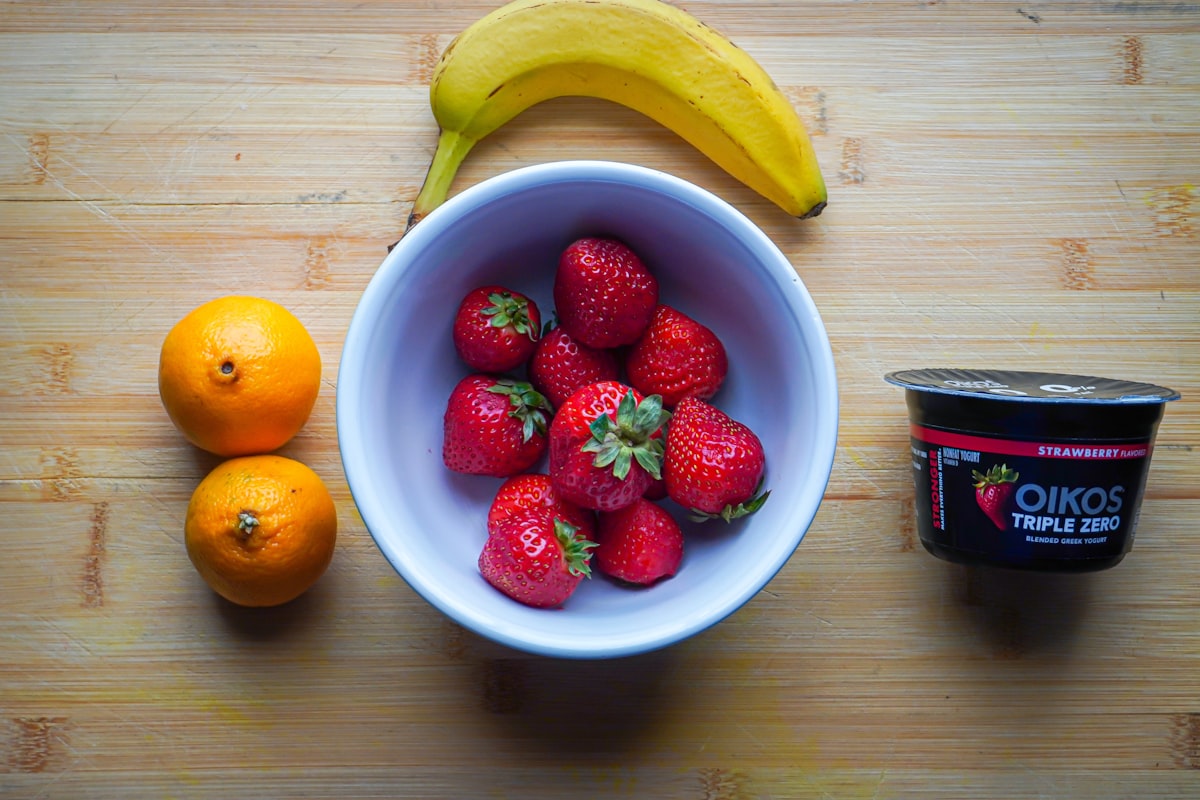
Blueberries, cherries, and strawberries contain anthocyanins and melatonin precursors that naturally support your body's sleep cycle.
Protein & Amino Acids
Eggs, turkey, and chickpeas provide tryptophan and amino acids essential for neurotransmitter synthesis and stable sleep patterns.
Hydration & Herbal Teas
Chamomile, valerian root, and passionflower teas have been traditionally used to support relaxation and improve sleep quality naturally.
Common Sleep & Diet Questions
Most nutrition experts recommend waiting 2-3 hours after eating a substantial meal before lying down. This allows your digestive system to process food properly without causing discomfort or reflux. For light snacks, 30 minutes to 1 hour is typically sufficient.
Yes, caffeine consumed even 4-6 hours before bedtime can significantly impact sleep quality. Caffeine blocks adenosine receptors in the brain, preventing the signals that trigger sleepiness. For optimal sleep, limit caffeine intake after 2 PM and be mindful of hidden sources like chocolate and some medications.
Light combinations of carbohydrates and protein work best before bed. Good options include a banana with almond butter, Greek yogurt with berries, whole grain toast with honey, or a small bowl of oatmeal. These combinations provide tryptophan and promote serotonin production without heavy digestion.
While alcohol may initially make you drowsy, it significantly disrupts sleep architecture. It suppresses REM sleep, the restorative stage most crucial for mental and physical recovery. Alcohol also increases nighttime awakenings and prevents deep sleep cycles. For better rest, minimize alcohol consumption, especially close to bedtime.
Yes, avoid spicy foods that can trigger acid reflux, high-fat meals that take longer to digest, excessive sugar that causes energy spikes, and anything containing caffeine or stimulants. Additionally, large portions of protein just before bed may require significant digestive effort. Aim for balanced, moderate meals 3 hours before sleep.
Real Results from Our Community (Individual results may vary)
After implementing the sleep nutrition guidelines from this site, I finally understand why my sleep was so disrupted. Cutting caffeine after 2 PM and eating complex carbs with dinner has transformed my nights. I'm falling asleep faster and waking up genuinely refreshed for the first time in years.
Marcus Wijaya
Jakarta, Indonesia
The detailed explanations of how magnesium and tryptophan support sleep were eye-opening. I started including more almonds, leafy greens, and cherries in my diet. Within two weeks, my sleep quality improved dramatically, and I have more energy throughout the day.
Siti Nurhaliza
Bandung, Indonesia
I've struggled with restless nights for over a decade. Learning about sleep-timing and the impact of alcohol changed everything for me. The science-based approach here is trustworthy, and the practical recommendations are easy to implement. My sleep consistency has never been better.
Doni Hermawan
Surabaya, Indonesia
As someone who travels frequently, I appreciate the practical sleep-nutrition tips adapted for different time zones. The bedtime snack suggestions work perfectly for maintaining my sleep schedule while on the road. This resource has become invaluable for my lifestyle.
Rina Santoso
Jakarta, Indonesia
Your 7-Day Sleep Improvement Journey
Day 1-2: Audit Your Current Diet
Start by logging what you eat and when. Note your sleep quality each night. Identify patterns—do high-sugar meals disrupt your rest? Does late-night eating cause tossing? This awareness is your foundation.
Day 3-4: Eliminate Sleep Disruptors
Remove caffeine after 2 PM, reduce alcohol intake, and stop eating heavy meals 3 hours before bedtime. Replace evening coffee with herbal tea. These small adjustments often yield noticeable improvements within 48 hours.
Day 5-6: Add Sleep-Supporting Foods
Introduce magnesium-rich almonds, leafy greens, salmon with omega-3s, and complex carbs like oatmeal. Include berries for their natural melatonin. Eat these foods in balanced meals, not as isolated supplements.
Day 7: Lock in Your Sleep Nutrition Routine
Evaluate your sleep journal. You should notice clearer, deeper sleep. Commit to your new eating schedule and food choices. Remember, consistency is key—these changes compound over weeks and months into truly restorative sleep patterns.
Start Your Better Sleep Plan Today
Discover comprehensive nutrition strategies and science-backed insights to transform your sleep. Browse our detailed food guide, explore research articles, and join thousands who've improved their rest through informed eating choices.